Blog
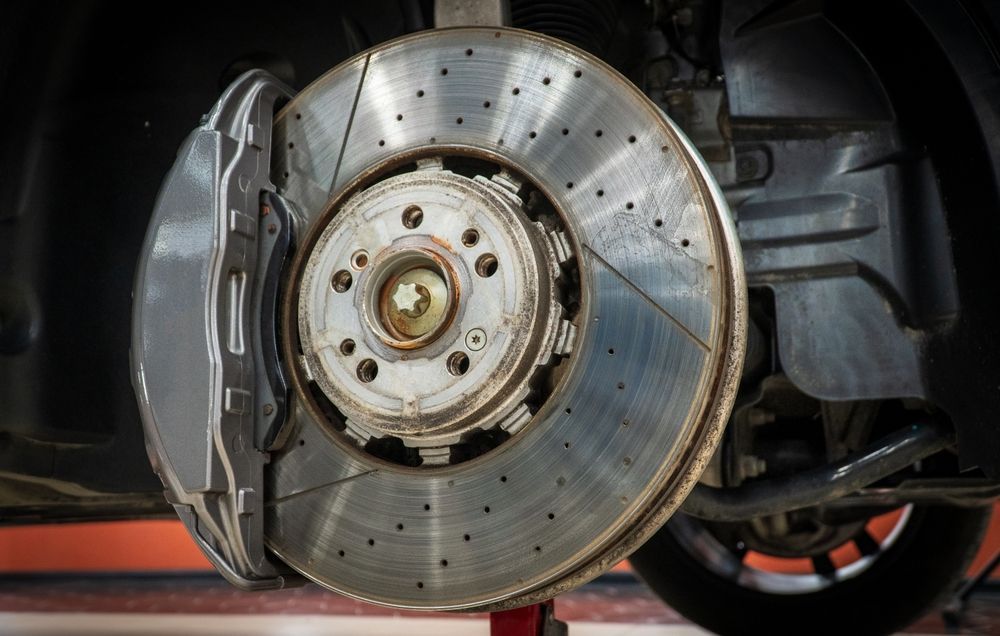
Maintaining your vehicle’s braking system is essential for safety. Over time, disc brake pads wear out and need replacement to ensure your car stops effectively. Replacing disc brake pads might seem intimidating, but with the right tools and knowledge, it can be a straightforward process. This guide will walk you throu
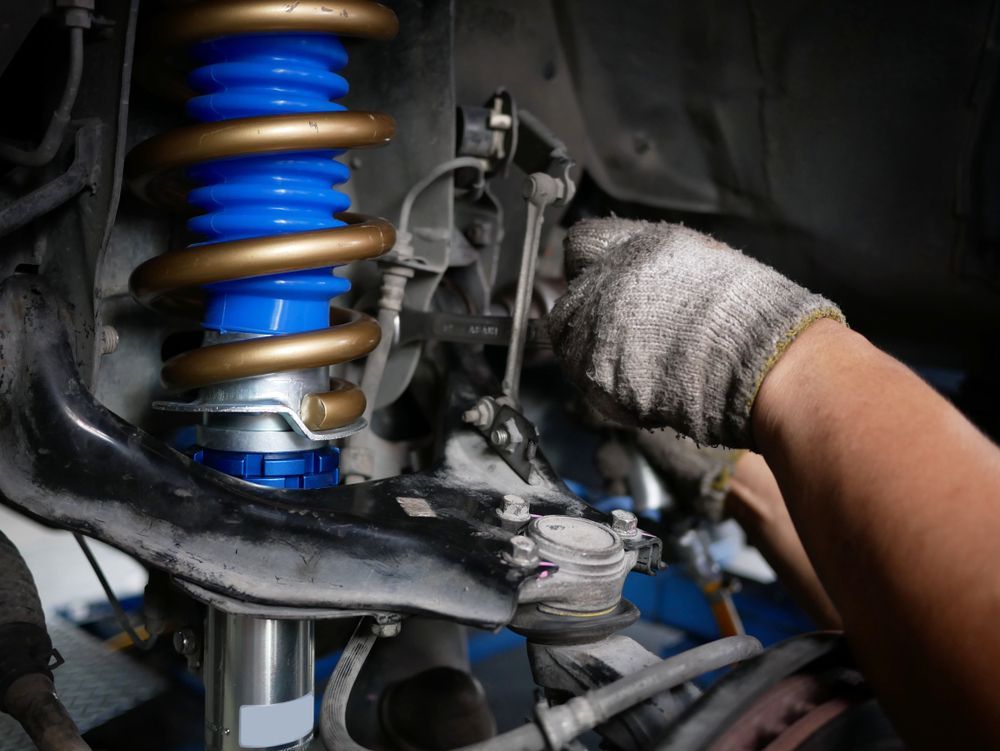
Your car’s suspension system plays a vital role in ensuring a smooth and safe driving experience. It’s responsible for maintaining vehicle stability, absorbing shocks, and keeping your tires in contact with the road. However, when the suspension starts to fail, it can lead to several noticeable driving problems that c
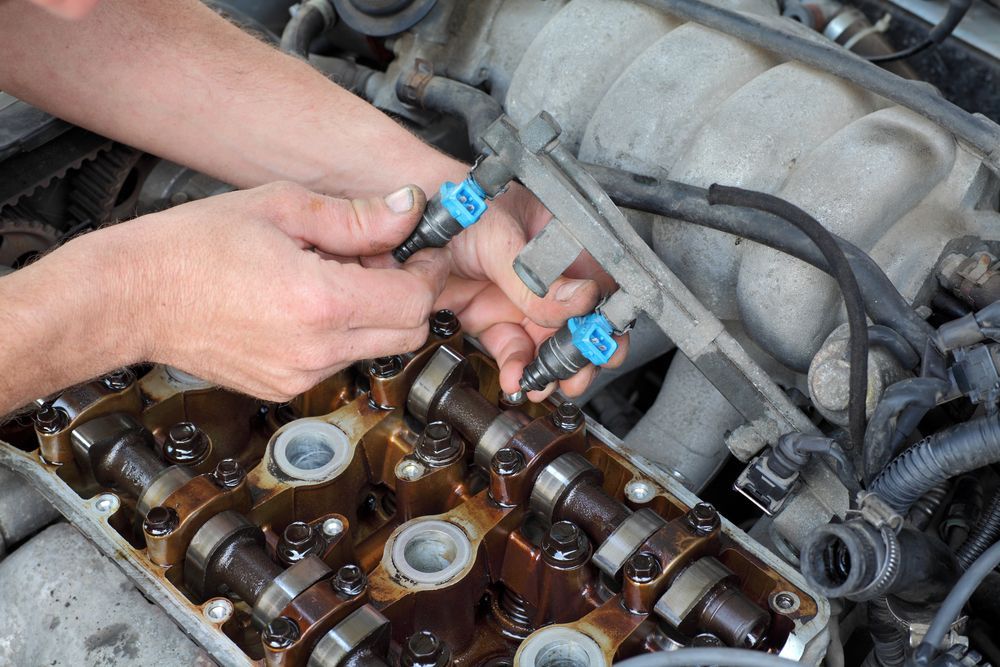
It might seem like your car’s fuel injectors will last forever, but eventually, they’ll need replacing to keep your engine humming smoothly. You’ve probably noticed subtle signs: a slight hesitation when you accelerate or a bit more fuel consumption than usual. These can be early warnings. If left unchecked, worn-out i
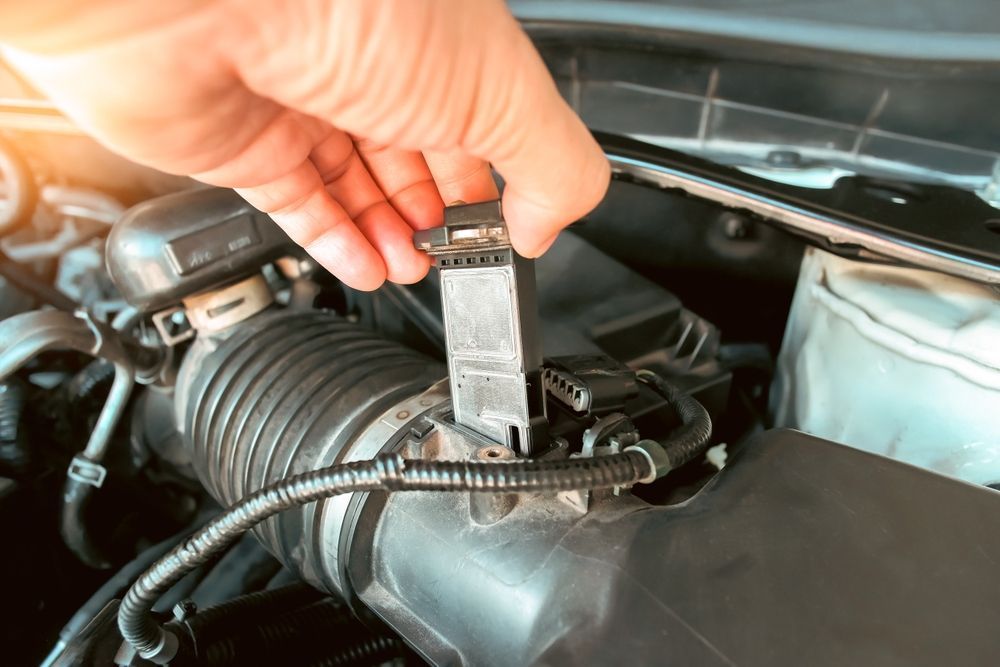
Imagine the evaporator temperature sensor in your car as the vital unsung hero, quietly guaranteeing that your journey is comfortable and your system runs smoothly. As you drive, it’s constantly at work, monitoring the core of your air conditioning system to prevent it from freezing over, which could spell trouble dur
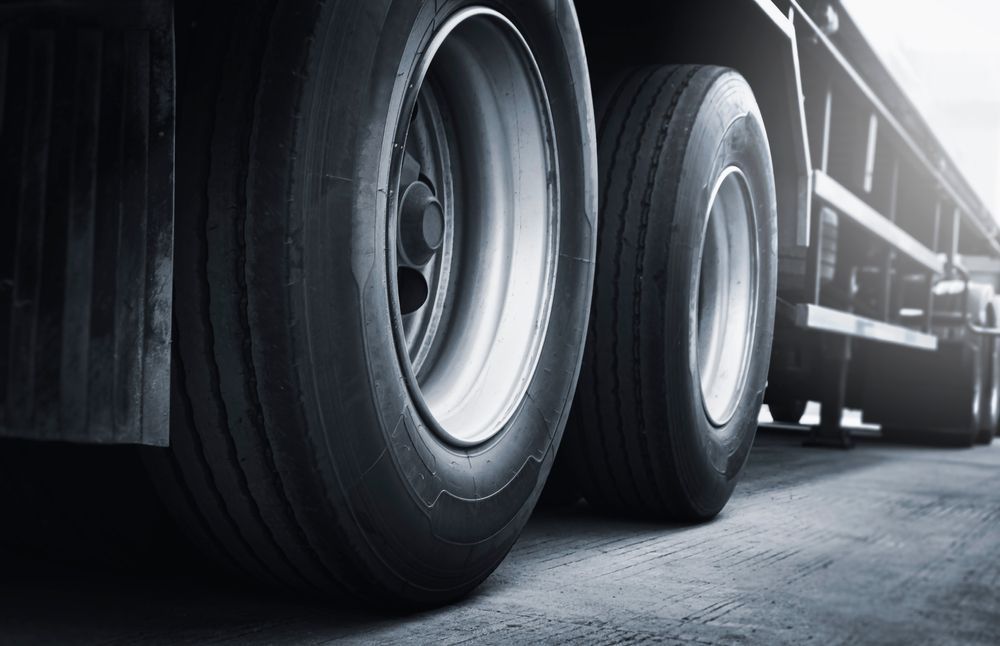
Imagine driving on tires so bald, they could be mistaken for racing slicks used at the Indianapolis 500. Now, while that’s a bit of an overstatement, you must know just how critical tire replacement is for road safety. You’ve probably heard varying advice on when to replace them—some say every 50,000 miles, others when
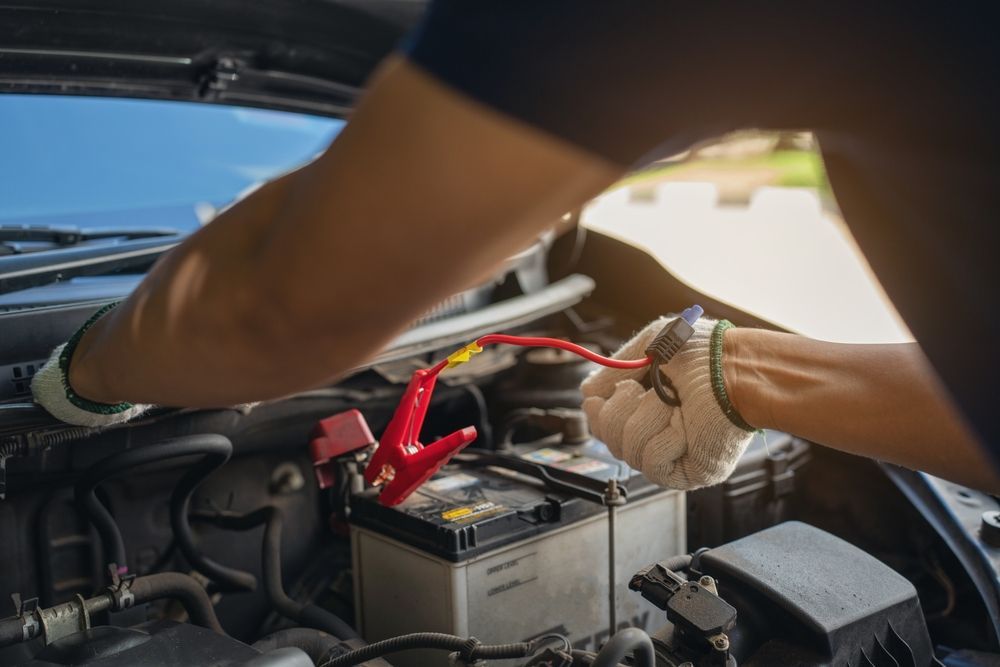
You’ve likely heard that maintaining an unused car battery requires some attention, but you may not know just how important certain steps can be. Disconnecting the battery terminals not only prevents unnecessary power drain but also extends the battery’s life. Surprisingly, the way you handle the electronics and the en
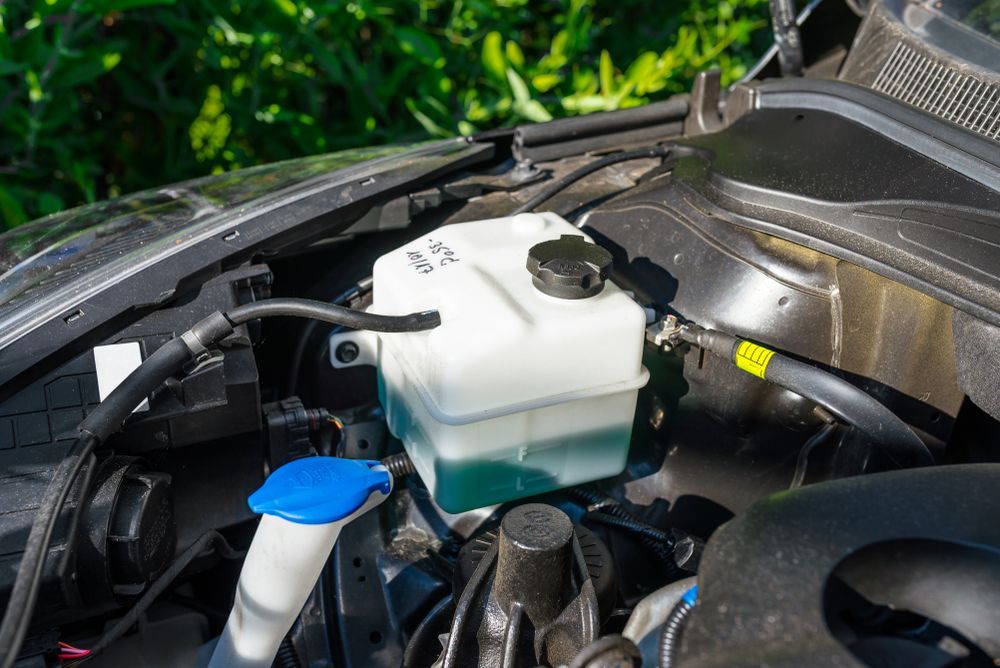
Did you know that the color of your car’s coolant not only indicates its type but also provides clues about its condition? As a car owner, it’s crucial you understand how to monitor and maintain the coolant in your vehicle to avoid costly repairs. Incorrect coolant levels or a deteriorating coolant condition can lead t

When you’re tackling EVAP control system leakage, you’ll likely start with the gas cap; it’s often the culprit behind those pesky error codes. But what if tightening it doesn’t solve the problem? You’ll need to inspect the hoses and connections for any signs of wear or damage, which are not always immediately obvious.
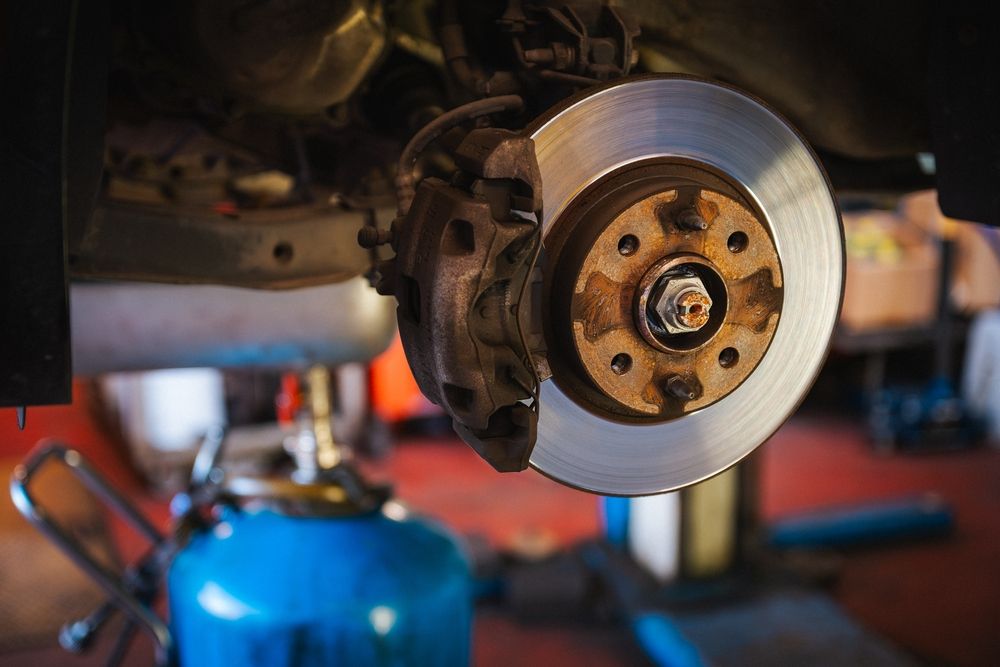
When was the last time you checked your car’s brake rotors? It’s easy to overlook, but ensuring they’re in top condition is key to your safety on the road. Worn rotors not only reduce your car’s braking efficiency but also increase the risk of accidents, especially in wet or icy conditions. You might notice symptoms li

Have you ever considered how regular driving might actually be beneficial for your car’s health? It’s true; letting your car sit unused can lead to numerous maintenance issues, from the battery losing charge to the engine fluids gradually deteriorating. Regular use helps maintain the engine’s best temperature and keep

We are proud that we have a tight-knit team that shows up every day ready to make the lives of our customers as easy as possible — at least when it comes to their vehicles! — through our repair and maintenance services. Our team has been able to grow as close as we are because we make sure to allow for team-building ev
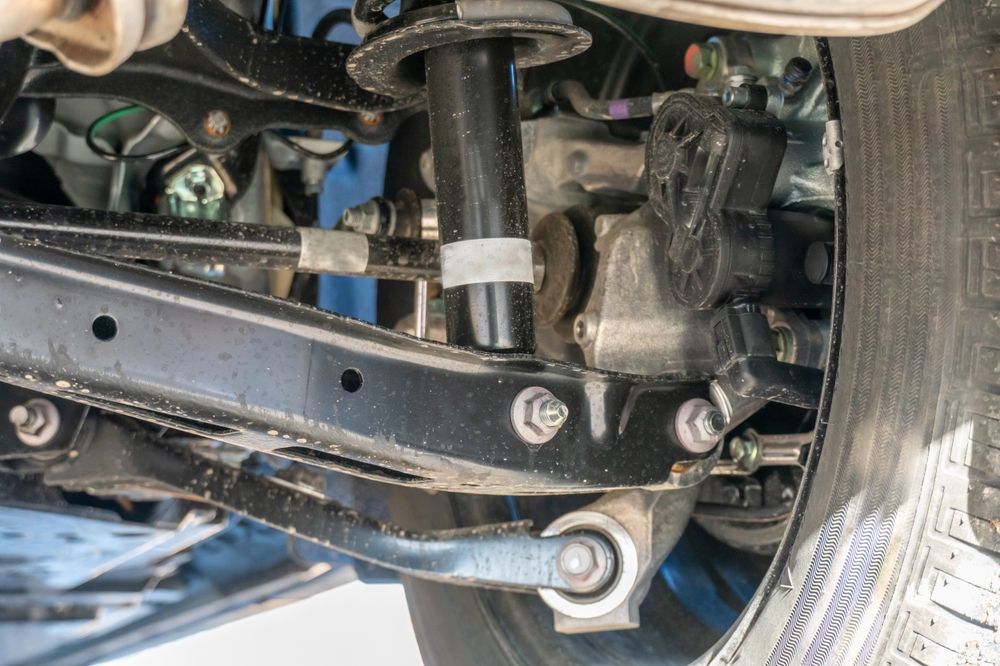
Recreational vehicles (RVs) embody the spirit of adventure and freedom, offering a unique way to explore the open road. However, like any vehicle, RVs can encounter issues that require repair and maintenance. Understanding common RV problems and knowing how to troubleshoot them can save you time, money, and inconvenien
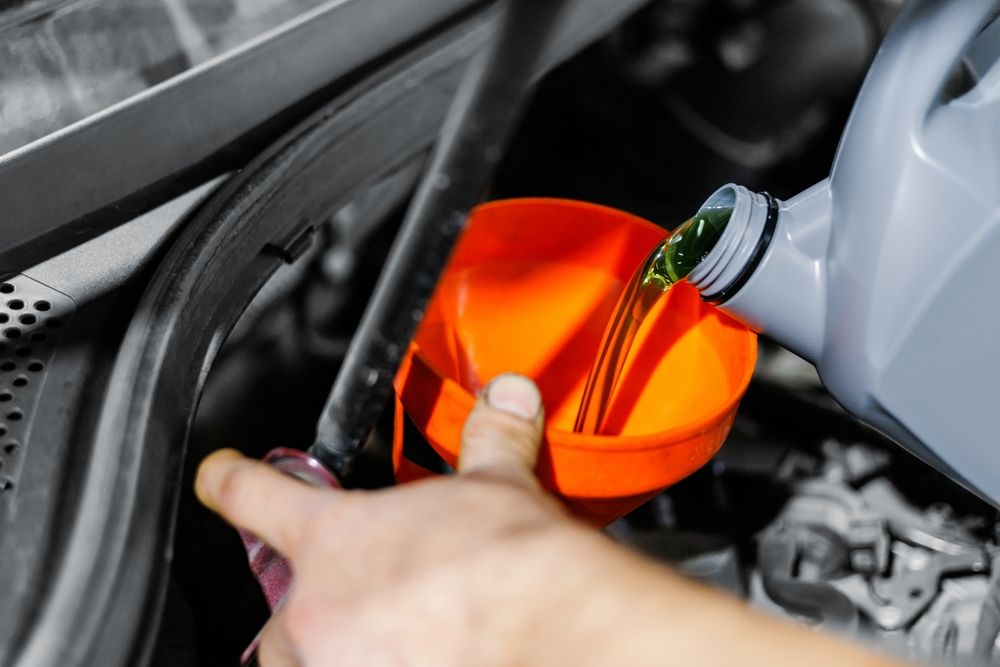
Keeping your fleet vehicle running smoothly involves addressing issues as they arise and preventing them from happening in the first place. This is where preventative maintenance comes in. Preventative maintenance is crucial for any business owner who wants to ensure their fleet vehicles remain in top condition, perfor
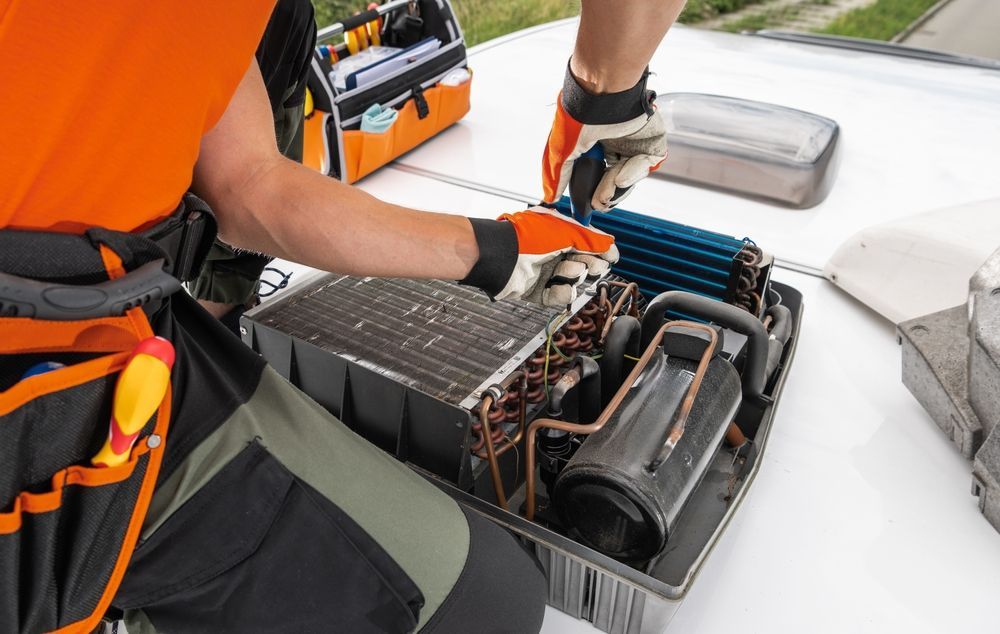
Modern AC and heating systems are modern miracles. Before the invention of air conditioning and vehicle heating systems, driving a truck or RV was often very uncomfortable, especially at the height of the summer heat or the depths of the winter chill. Fortunately, with air systems, folks today get to enjoy far more com
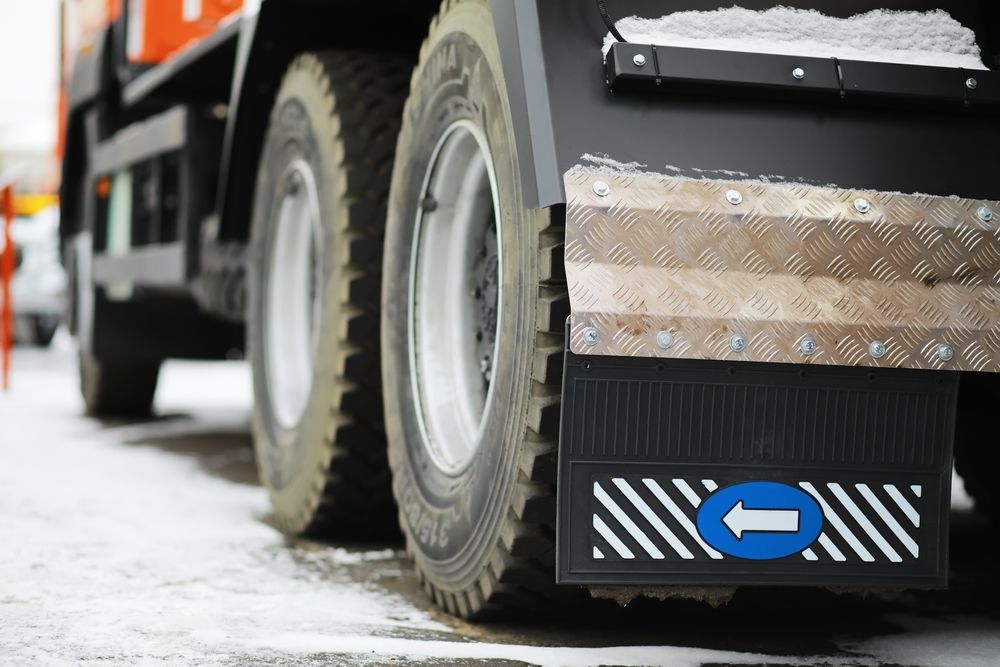
It doesn’t matter whether your business depends on a single heavy-duty truck for short-hauling or a fleet of trucks to service customers throughout a region, smart business owners should consider switching to winter tires before the winter season is in full swing. When rain, sleet, ice, or snow covers the roadway, it c

When you have a heavy-duty truck, it needs special care to keep it running safely and well. There are a lot of services that you need for your heavy-duty truck to make sure it’s ready for plenty of use during every season. It may need special preventative maintenance done to get it ready for tough Montana winters. When
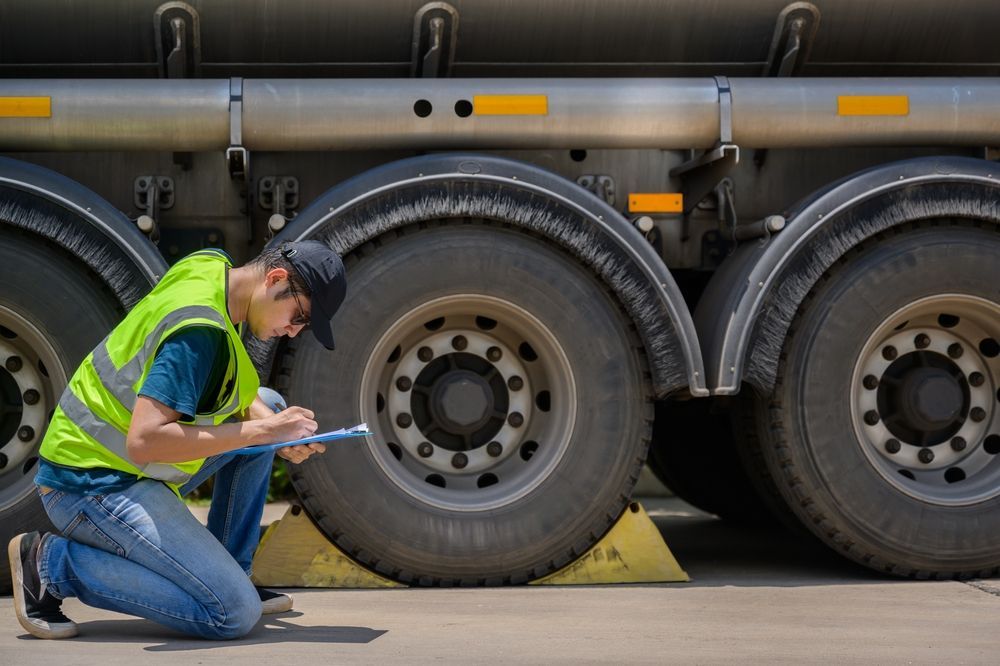
Winter can be a challenging season for vehicle owners due to precipitation, low temperatures, and unpredictable conditions. For this reason, preventive vehicle maintenance is paramount to ensuring your safety on the road. Here are five simple tips to keep your vehicle running smoothly this holiday season.

As a business owner, you know that regular maintenance is critical to ensuring your the reliability of your fleet vehicles. However, with the countless fleet vehicle maintenance services required at regular intervals the manufacturer’s manual, it can be overwhelming to remember it all. At Fleet Truck & RV Repair, we sh
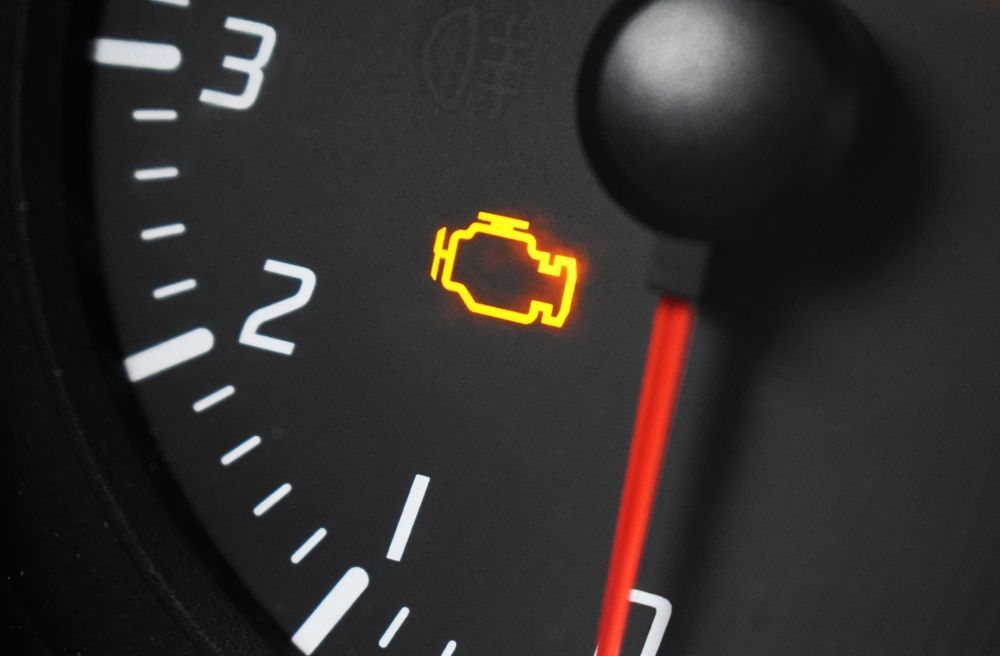
When your vehicle’s internal computer system finds an issue with your engine or any other important part, it warns you by turning on the check engine light. This warning is indicated by the engine symbol on your dashboard lighting up red, orange, amber, or yellow. The cause of an illuminated engine light might be as si
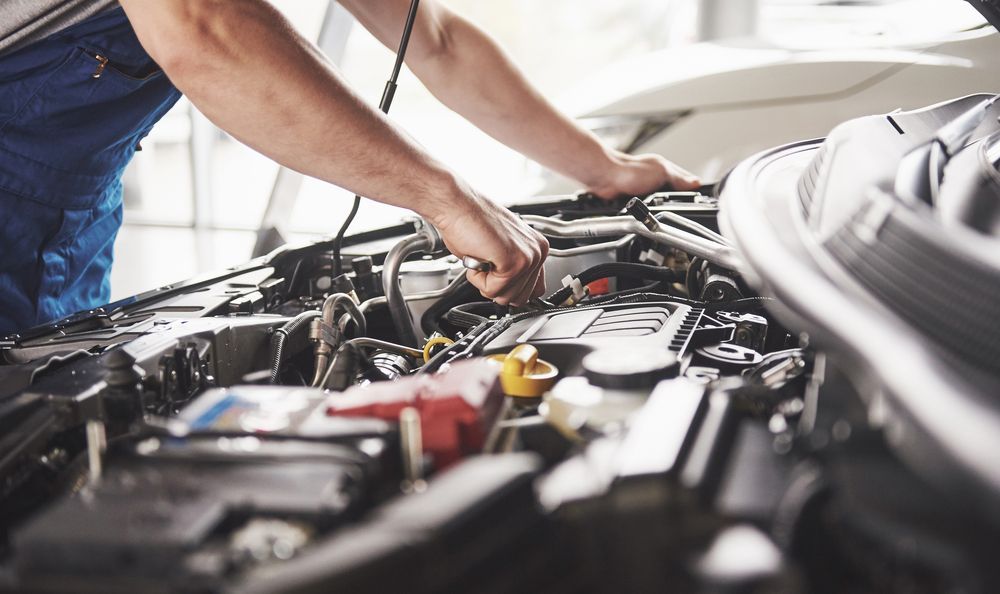
For many, the prospect of an RV or truck breaking down is terrifying because of the hassle it would bring, the money it would cost, and the risks it may pose to safety. In addition, it can be stressful to have automotive trouble and have no idea what the root of the problem is. This is where a skilled mechanic comes in
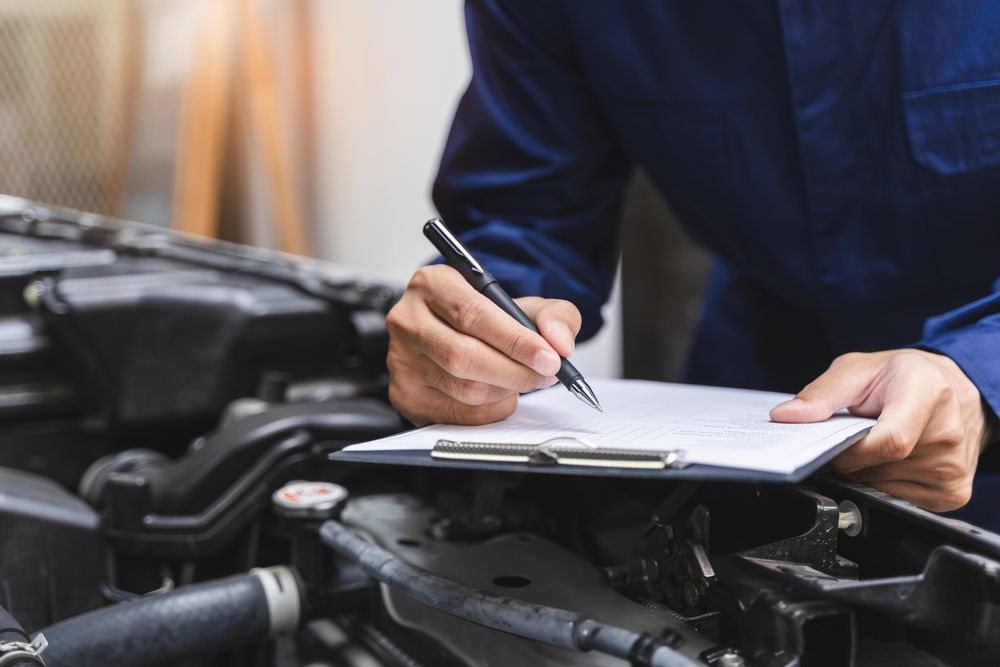
Maintenance is a standard part of owning any vehicle, but it can take on new challenges for RV and semi-truck owners. Often, drivers wait until they’re experiencing trouble they can’t ignore to reach out for help. Although we’re always here to get the job done, we’re also eager to help you recognize the early signs you

While RV repair varies from vehicle to vehicle, there are certain services that are nearly impossible to do without. On top of just taking your vehicle to the shop whenever you suspect an issue, there are five important RV repair or maintenance services you will need to stay on top of to ensure your vehicle’s reliabili
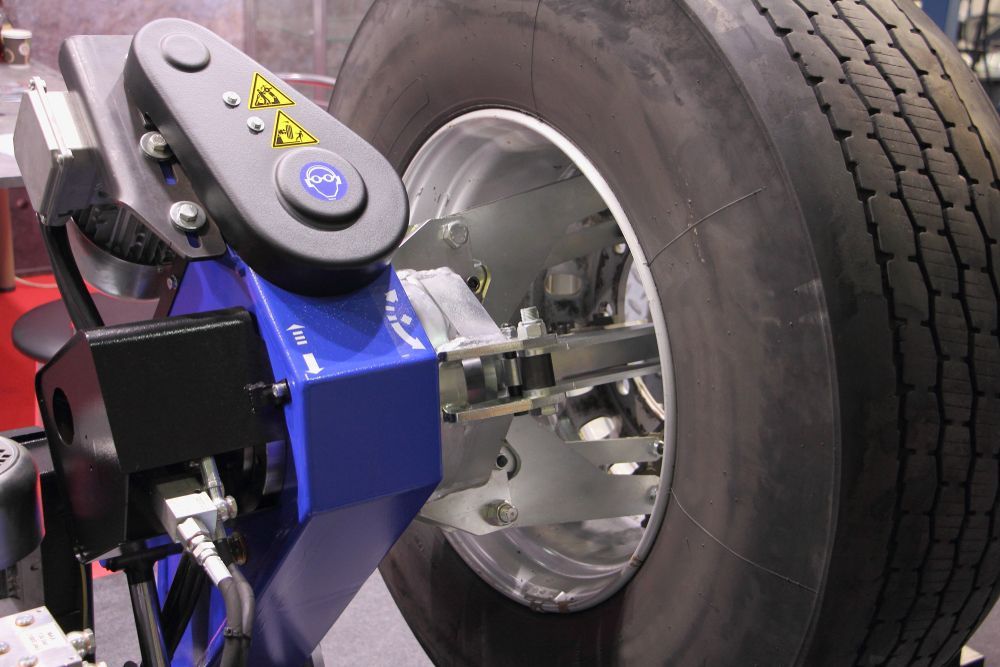
Apart from tire repairs and replacements, getting regular tire services is an essential part of fleet vehicle maintenance. At Fleet Truck & RV Repair, we provide professional tire services performed by our certified automotive technicians to optimize your tire and wheel assembly’s safety and performance on the road. In
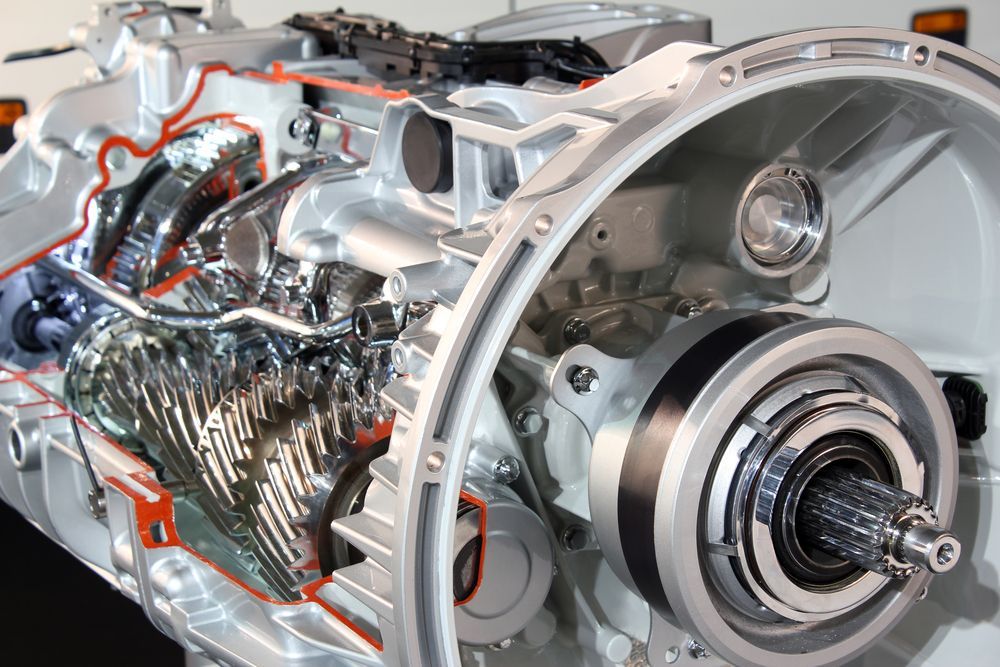
Most would say that the engine is arguably the most important part of a vehicle. But what good is your vehicle’s engine when it can’t get you to go anywhere? It’s important to understand that the engine, no matter how powerful, relies on other important components to get your vehicle moving. That’s where the transmissi
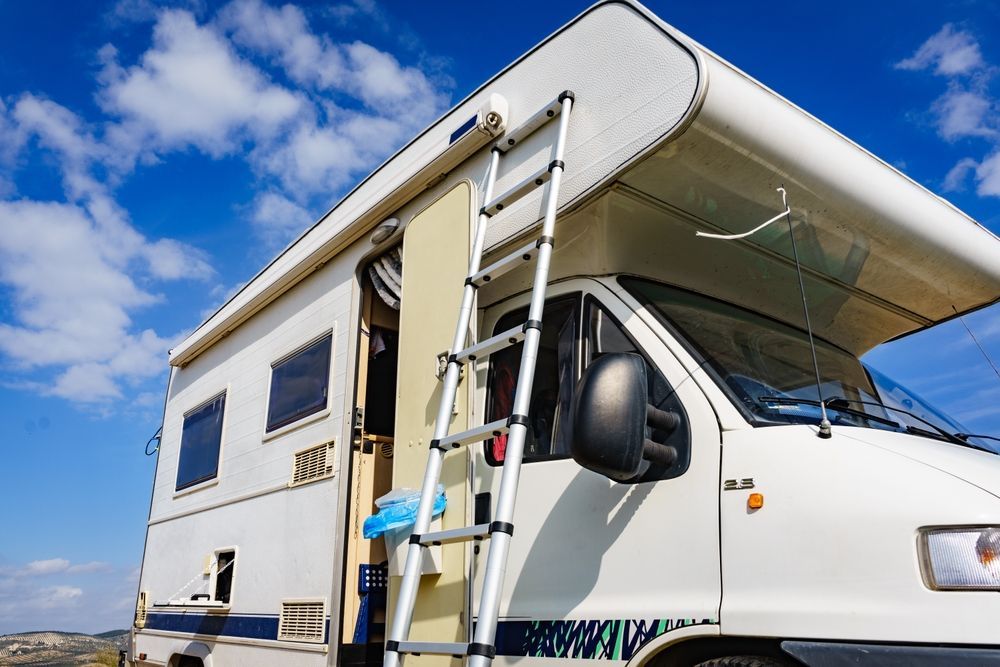
While we all know that regular RV maintenance is important, the reality is that many of us will try and save costs by avoiding taking our vehicle to the shop unless it’s in need of serious RV repair. This in itself can be a double-edged sword, however, as an unmaintained vehicle is more likely to break down faster and
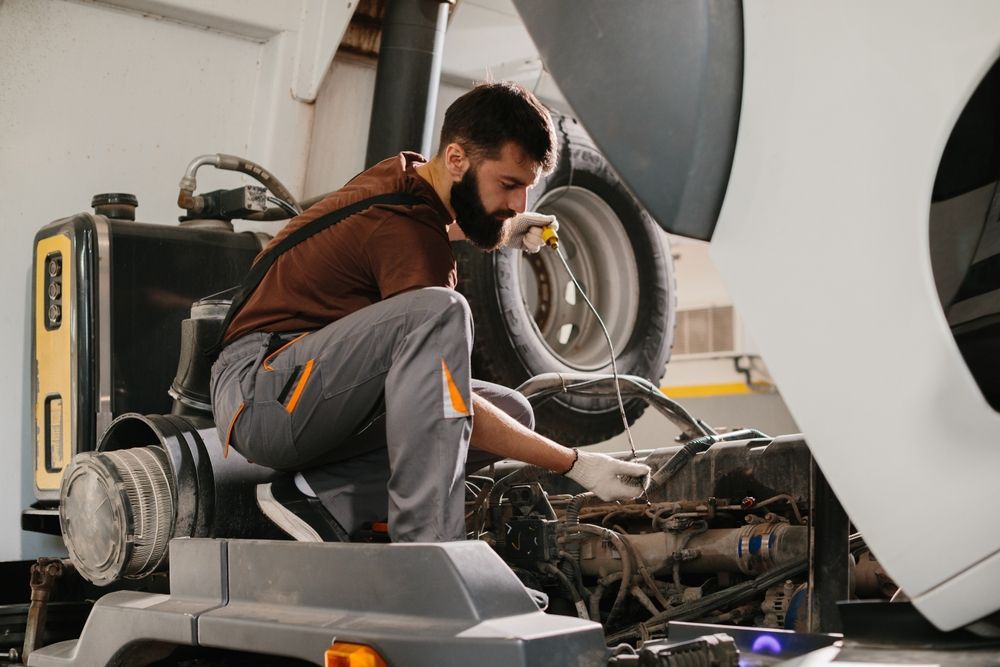
For vehicle owners, regular oil changes are an essential heavy duty truck service task that helps ensure a vehicle’s engine will run smoothly for years to come. Changing your motor oil regularly helps remove dirt and particles from the engine and lubricate it, resulting in improved performance, lower emissions, and bet
Owning a vehicle is a source of freedom and convenience, but it also comes with the responsibility of keeping it running well. One often overlooked aspect of vehicle maintenance is that of maintaining the suspension and steering systems. While the two are often seen as individual components, they work symbiotically to
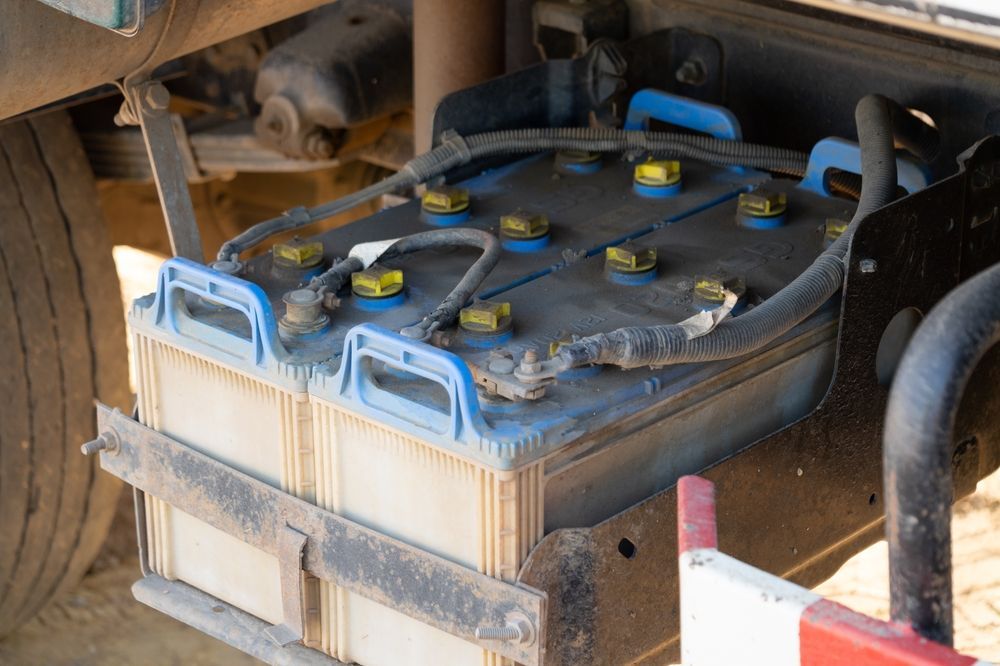
Your fleet vehicle’s battery is an essential part of its operation, so it pays to know when you need a new one. Replacing your battery regularly can prevent serious long-term problems with your fleet vehicle’s electrical system and help maintain its performance. The problem is that modern batteries are built to last fo
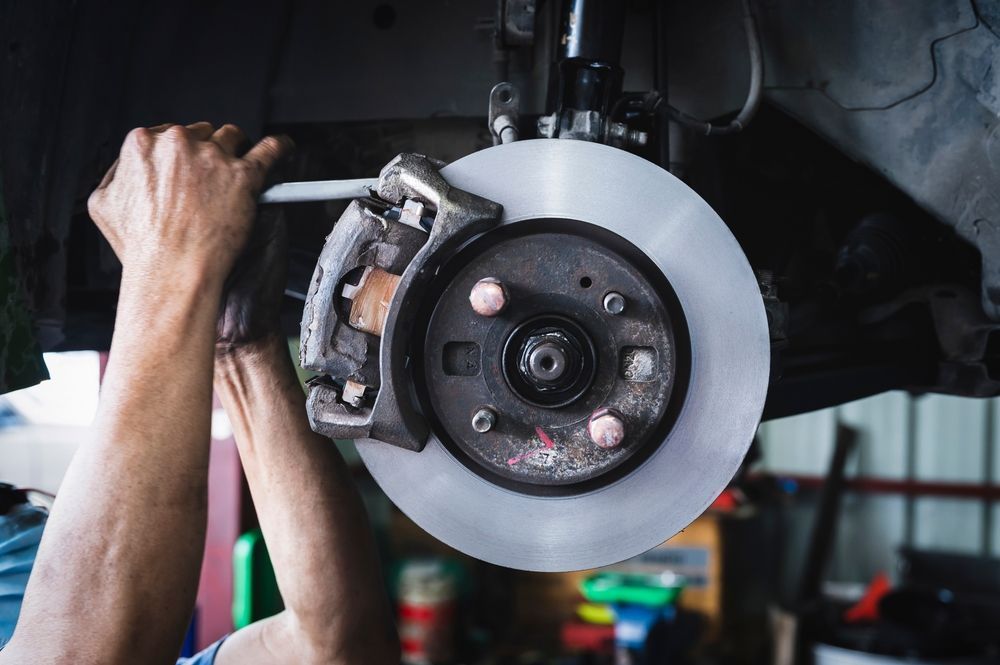
Do your brakes squeal or feel spongy when you press the brake pedal? Is your vehicle taking longer to stop than usual? It may be time for a professional brake repair. Brake problems can vary from inconvenient to dangerous, so it is essential to recognize signs of trouble and diagnose issues. As an RV or fleet vehicle o

The holidays are a busy time, and for many people, that means hitting the open road in their RV. Regularly cleaning and checking fluid levels, brakes, and tires can help keep your RV running smoothly all season long. By taking a little time now to do some preventive RV maintenance, you’ll be able to relax and thoroughl