


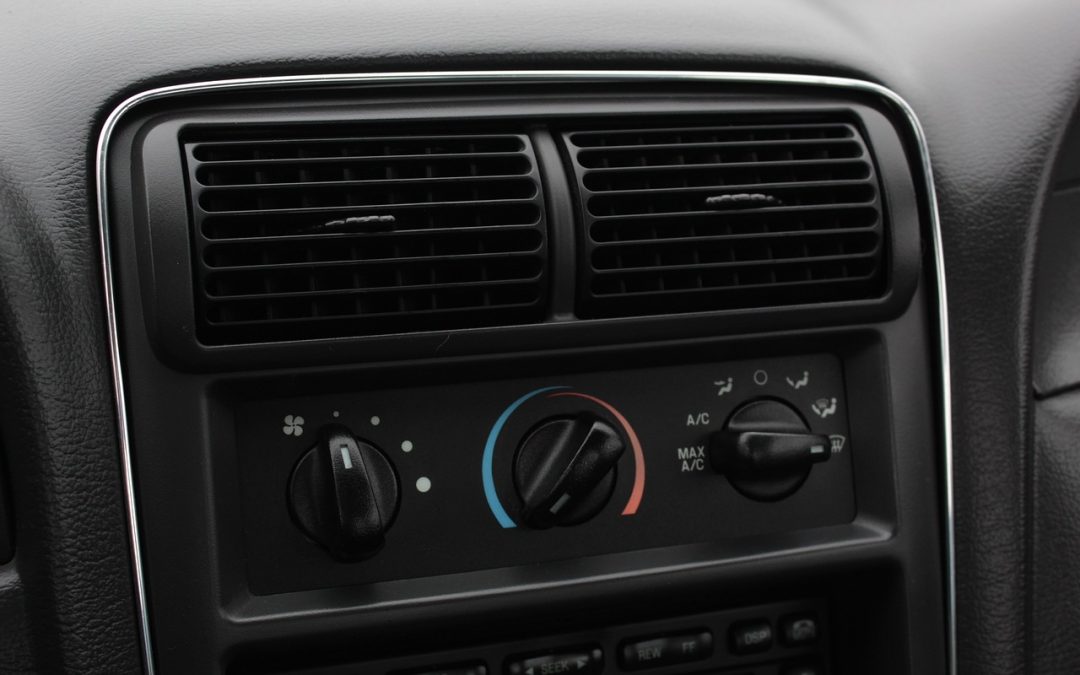
Imagine the evaporator temperature sensor in your car as the vital unsung hero, quietly guaranteeing that your journey is comfortable and your system runs smoothly.
As you drive, it’s constantly at work, monitoring the core of your air conditioning system to prevent it from freezing over, which could spell trouble during those long summer road trips.
You might not think much about this component, but it’s essential for regulating the delicate balance between too cold and just right. Why should you care about this seemingly minor part?
Understanding its function could prevent unexpected maintenance and safeguard your comfort, no matter the weather outside.
Understanding Evaporator Temperature Sensors
Evaporator temperature sensors accurately monitor the core temperature of your car’s air conditioning system to prevent coil freezing and optimize cooling efficiency.
Located within the HVAC system, these sensors are pivotal in regulating the temperature by providing essential data that influences how your air conditioning system operates.
When you adjust your car’s AC settings, you rely on the evaporator temperature sensor to respond appropriately. This sensor’s job is to ensure that the evaporator doesn’t get too cold, which can lead to the coils freezing.
If the coils freeze, not only does it disrupt the efficiency of the air conditioning system, but it can also lead to significant damage over time.
Monitoring the evaporator’s temperature is important because it directly affects the air quality and temperature inside your vehicle. A well-functioning sensor ensures that you and your passengers enjoy a consistent and comfortable environment, no matter the weather outside.
Key Functions and Features
The evaporator temperature sensor plays an important role in managing several essential functions within your car’s AC system. It’s primarily responsible for monitoring the temperature of the evaporator core, a key component in your HVAC system.
This precise temperature monitoring is critical for cabin temperature control and preventing overcooling, which can lead to system inefficiencies or even damage.
The sensor informs the AC system’s compressor when adjustments are necessary by accurately detecting slight changes in the evaporator core temperature. This helps maintain a consistent cooling environment within your vehicle, enhancing your comfort and the system’s energy efficiency.
Technical Specifications
Typically, these sensors function within an operating temperature range of -40 to 85°C, guaranteeing precise control over your car’s AC system. The resistance at 25°C is around 3000 Ω, with a tolerance of ±1.7%.
This specific resistance parameter is vital as it directly impacts the sensor’s accuracy to monitor and regulate the air temperature passing through the evaporator core.
You’ll appreciate the technical sophistication of these sensors, which boast a B value of 3988K, a figure that enhances their ability to maintain ideal cabin temperature.
Their fast response time isn’t just a technical specification; it’s a dedication to your comfort, ensuring that the HVAC system adapts swiftly to changes in load or environmental conditions. This responsiveness is particularly critical in preventing the evaporator core from freezing, a common issue if the sensor is failing.
A failing sensor can lead to inefficiencies in the HVAC system, manifesting as either excessive cooling or insufficient temperature regulation.
Installation and Service
Why should certified technicians be the ones to install your car’s evaporator temperature sensor?
Installing this component isn’t merely about placing it within the car AC system; it’s about guaranteeing it functions at peak efficiency. Certified technicians follow manufacturer guidelines meticulously, which is vital for maintaining system integrity and reliability.
They possess the specialized knowledge required for professional calibration post-installation, a step that must be taken if you want precise temperature monitoring.
Moreover, regular maintenance performed by professionals ensures the longevity and effectiveness of the evaporator temperature sensor. They’ll conduct thorough inspections and can identify issues that mightn’t be obvious to the untrained eye.
This proactive approach prevents potential malfunctions, saving you from future discomfort and costly repairs.
Applications and Use Cases
This sensor meticulously measures the core temperature within the air conditioning unit. By doing so, it prevents the system from reaching temperatures low enough to freeze the evaporator coil, which could severely impair the functionality and efficiency of your HVAC system.
Your comfort in the vehicle hinges greatly on proper cabin temperature control. The evaporator temperature sensor plays a pivotal role in this by ensuring that the HVAC system doesn’t succumb to overcooling or overheating. This precise regulation helps maintain an ideal environment inside your vehicle, making your journeys more enjoyable and stress-free.
The sensor’s fast response time and high accuracy are critical in adapting to sudden temperature changes. This responsiveness is essential in extending the lifespan of the HVAC components and avoiding costly repairs due to damage from extreme temperature fluctuations.
Its small size and snap-fit housing design also facilitate easy installation, ensuring it seamlessly integrates into the existing system without requiring extensive modifications.
Ultimately, the evaporator temperature sensor ensures that your vehicle’s HVAC system operates within safe, efficient parameters, safeguarding both your comfort and the system’s durability.
Conclusion
The evaporator temperature sensor in your car is crucial for maintaining an ideal climate and efficient operation. As the adage goes, ‘A stitch in time saves nine.’ Regularly servicing this sensor guarantees that minor issues don’t escalate into major repairs, keeping your AC system running smoothly.
Stay ahead by understanding its functions, specifications, and the necessary upkeep. Remember, proactive maintenance enhances performance and extends the lifespan of your vehicle’s AC system.