


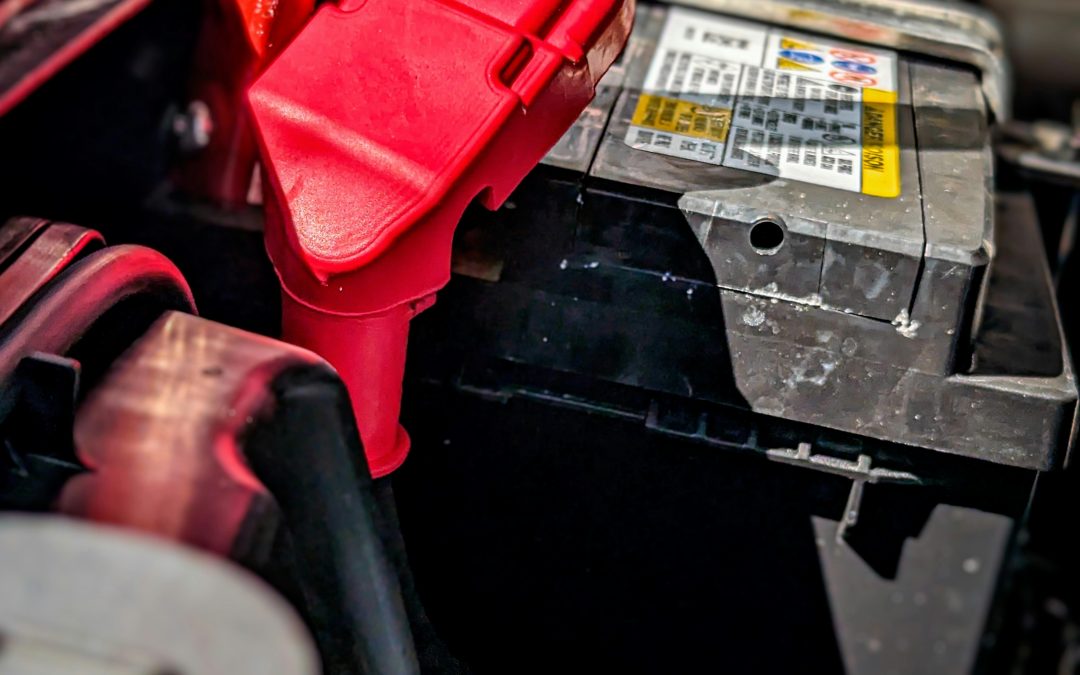
You’ve likely heard that maintaining an unused car battery requires some attention, but you may not know just how important certain steps can be.
Disconnecting the battery terminals not only prevents unnecessary power drain but also extends the battery’s life. Surprisingly, the way you handle the electronics and the environment where you store your vehicle can have a big impact on the battery’s efficacy.
Consider how strategic parking and regular voltage checks could play a role. What’s more, there’s an often-overlooked factor that could be silently degrading your battery’s potential; curious to find out what it is?
Weekly Driving Routine
To maintain your car battery’s health, you should drive your vehicle at least once a week. This consistent driving routine is crucial to preserving battery longevity by guaranteeing it stays charged and functional. Extended periods of inactivity can result in battery drainage, which not only affects its performance but can also shorten its overall lifespan.
Incorporating weekly driving into your schedule isn’t just about moving the car; it’s about being part of a community of responsible car owners who recognize the importance of regular vehicle maintenance.
When you drive your car regularly, you make sure that the battery remains in peak condition, reducing the risk of unexpected failures and the need for premature car service.
Engine-First Electrical Use
Always start your engine before activating any electrical components to minimize battery strain and extend its life. This practice is essential in maintaining your car battery, especially when it’s unused for extended periods.
When the engine is off, using accessories like lights or the audio system can lead to significant battery drainage. This isn’t just about avoiding a dead battery; it’s about promoting the longevity and health of your battery.
By starting the engine first, you guarantee that the alternator; not just the battery; powers these electrical components. This prevents excessive drain on your car battery.
It’s imperative to adopt this engine-first approach to avoid short circuits and maintain excellent battery condition.
To integrate this into your routine, make it a habit to check if your engine is running before using any electrical features. This small step can save you from the hassle and expense of dealing with a prematurely aged or dead battery.
Keep in mind that maintaining battery health isn’t just about immediate benefits, it’s also about safeguarding your vehicle’s future reliability.
Strategic Parking Locations
Choosing a shaded parking spot is essential for minimizing battery drain and extending its life in hot conditions. When you select strategic parking locations, particularly parking under shade, you’re actively protecting your car’s battery from the harsh effects of hot weather. This simple action greatly curbs battery degradation.
Consider the scenario where your vehicle is exposed to direct sunlight. The intense heat accelerates the evaporation of battery acid, which is vital for its operation. By opting for shade structures or naturally shaded areas, you reduce this risk, thereby enhancing the battery’s longevity and performance.
Furthermore, it’s wise to become proactive about your parking habits. For instance, if you’re at home and have the option, investing in a permanent shade structure can offer consistent protection. This isn’t just about convenience; it’s about ensuring that your battery remains in peak condition for as long as possible.
Always remember that every time you park your vehicle in a cooler, shaded area, you’re not just avoiding immediate battery drainage; you’re taking a significant step towards safeguarding the overall health of your battery. This approach fosters a sense of community and shared knowledge among vehicle owners who value long-term maintenance and care.
Regular Voltage Checks
Regularly monitoring your car battery’s voltage with a voltmeter guarantees it stays within the ideal 12.4 to 12.8 volts range. Regular voltage checks are essential for maintaining the health of your unused car battery, ensuring it remains ready for use when needed.
Here’s how you should approach testing the voltage of your battery to ensure accuracy and promote battery longevity:
- Use a Quality Voltmeter: Invest in a reliable voltmeter for accurate voltage readings. Cheaper models might give erratic results, which are less beneficial.
- Check Voltage Regularly: Set a monthly reminder to test your battery. Consistency is key to catching issues early.
- Record the Readings: Keep a log of the voltage readings each month. This history helps you notice trends and decide when professional testing might be necessary.
- Seek Professional Advice if Outside Optimal Range: Should your readings consistently fall outside the 12.4 to 12.8 volts range, consult a professional. They can provide a detailed assessment and recommend necessary actions to restore the battery’s health.
Conclusion
To maximize your car battery’s mileage and minimize malfunctions, maintain a meticulous monitoring routine. Disconnect, dust, and diligently check voltage levels to dodge deterioration.
Park in protected places and prioritize periodic terminal tidiness. Harnessing these habits helps halt harmful effects, ensuring your engine’s energetic and efficient execution.
Remember, regular refinement and responsible routines are your battery’s best buddies. Stay sharp, stay systematic, and your stationary storage solution will surely stand steadfast.